
Learning to taste wine is an exciting journey that opens up a world of flavors and sensations. As we explore wine tasting, we become more attuned to the delicate variances in wine characteristics and learn how to savor each sip. It’s a skill that enhances not only our palate but also our social experiences, whether we’re enjoying a quiet evening at home or attending a bustling wine tasting event. For beginners, the process starts with understanding the fundamental aspects of wine, from varietals to vineyards, and the basic approaches to tasting.
Advancing in wine tasting involves a sensory exploration where we engage our sense of smell and taste to analyze the complexities within each glass. This sensory journey is not just about sipping; it’s about recognizing the notes and textures that give each wine its unique profile. Building confidence in wine tasting comes with practice, and over time, we develop our tasting notes, which guide us in identifying different wines and understanding our preferences. Knowledge of wine pairings and the impact of food on taste further enriches our experience.
Key Takeaways
- Understanding wine basics enhances enjoyment and ability to taste.
- Sensory exploration and analysis are vital for recognizing wine characteristics.
- Regular practice leads to building confidence and personal wine knowledge.
Understanding the Basics
Embarking on the journey of wine tasting allows us to explore a spectrum of flavors and aromas. By understanding a few fundamental concepts, we lay the groundwork for an enriching experience that deepens our appreciation for this timeless beverage.
Wine 101
Wine is an intricate beverage that one can appreciate on numerous levels. Our exploration begins with acknowledging the major types of wine: red wine and white wine. Red wines often exude bold flavors with varying levels of tannin, which contributes to their structure and is associated with a dry sensation in the mouth. White wines, on the other hand, may showcase brighter acidity, contributing to their crisp, refreshing quality.
Wine attributes include sweetness, acidity, tannin, alcohol, and body. A palate that recognizes these elements can determine the balance of a wine: how the flavors integrate and complement each other. Sweetness can range from dry wine, with no perceptible sugar, to desserts wines, which are distinctly sweet. Bitterness is usually a result of tannin found primarily in red wines. Acidity gives wine its tart and zesty character, while alcohol contributes to the warmth felt in the throat. The body of a wine can be light, medium, or full, and is often indicative of its heft and overall mouthfeel.
As sommeliers might advise, understanding these basics will assist us in pairing wine effectively with food to enhance both the drink and the meal.
The Importance of Glassware
Selecting the proper glassware is essential for wine tasting as it influences how we look at wine, swirl wine, and perceive its aroma. The shape of the glass can drastically impact our experience by concentrating the wine’s bouquet and directing the wine to various parts of our palate, thereby amplifying specific flavors and textures.
A quality wine glass should have a clear bowl to permit an unobstructed view of the wine’s color, clarity, and opacity. When we fill our glass and swirl it, we not only integrate air, enhancing the wine’s aroma, but we also observe the “legs” or “tears” that form, which may indicate the wine’s alcohol and sugar content. More prominent legs can suggest a higher alcohol content or more residual sugar.
A proper glass also allows us to assess the wine’s sight: its hue and intensity, which can provide clues about the wine’s identity and condition. We savor wine with our eyes first, appreciating its color and transparency before we even take the first sip. By prioritizing the right glassware, we ensure that our wine tasting is as informative as it is pleasurable.
Sensory Exploration
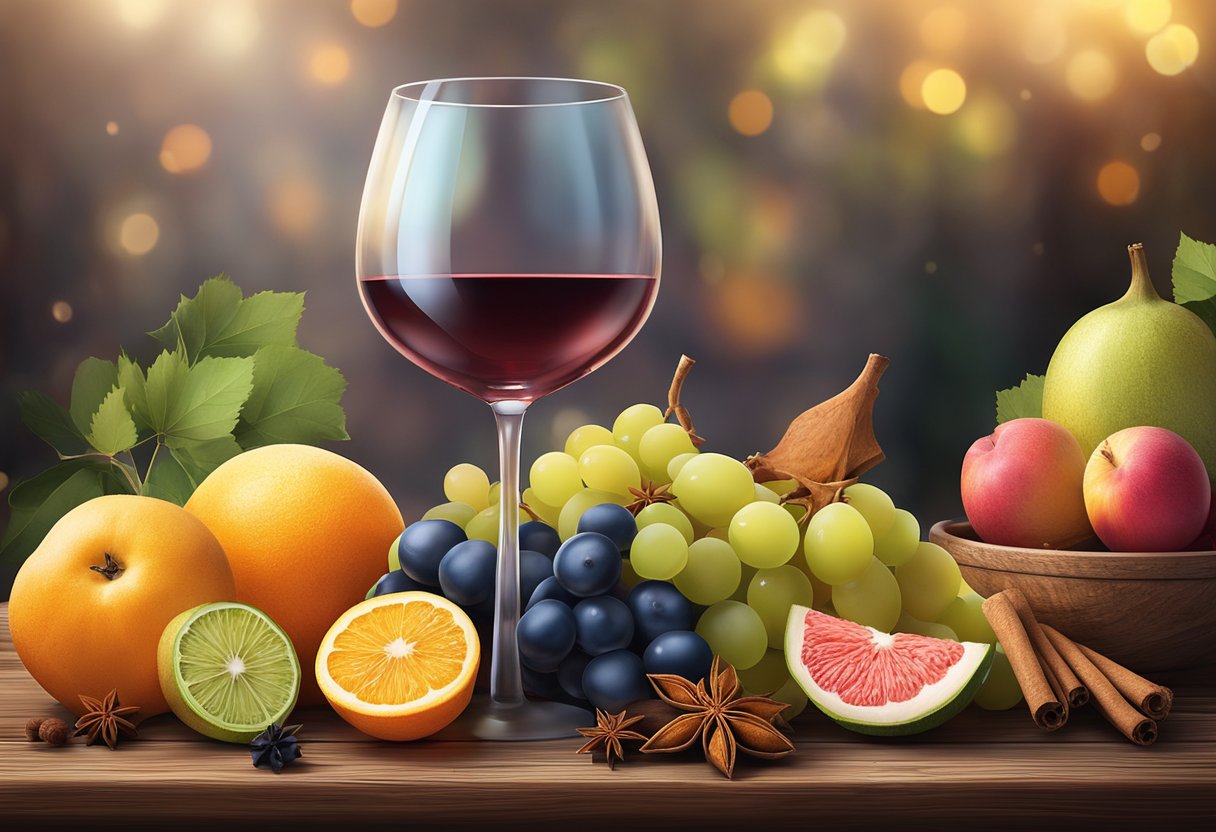
In wine tasting, we engage our senses to evaluate and enjoy the wine’s character and quality. Our visual perception, sense of smell, and taste buds are vital in this sensory journey.
Sight and Color
Clarity and Hue: We start our exploration by observing the wine’s clarity and color. A simple swirl in the glass can reveal the wine’s age and concentration. For instance, a deeper hue may suggest a higher level of aging or intensity.
Opacity and Wine Legs: We inspect the wine’s opacity to understand its body, and we watch the wine legs, or tears, that form on the glass after swirling to gain insight into alcohol content and sweetness.
Aroma and Bouquet
Primary Aromas: Our first impression through smell is of the primary aromas which originate from the grape variety itself, including notes of fruit, flowers, and herbs.
- Fruit Aromas: Scents of citrus, berries, or tropical fruits are common.
- Earthy Components: We may also detect earthiness that adds complexity.
Secondary Aromas: These develop during winemaking, often in oak barrels, introducing vanilla and spice nuances.
The Five Tastes
Sweetness: We detect sweetness immediately upon sipping wine, characterized by sugar levels that range from